

From Equal to Equitable: The Shift Toward Real Change
How Equity Transforms Equality Into Justice

Understanding Equality vs. Equity
What people think equality vs equity actually is…
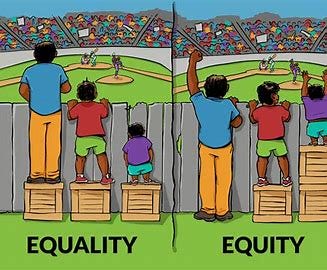
What equality vs equity actually is…
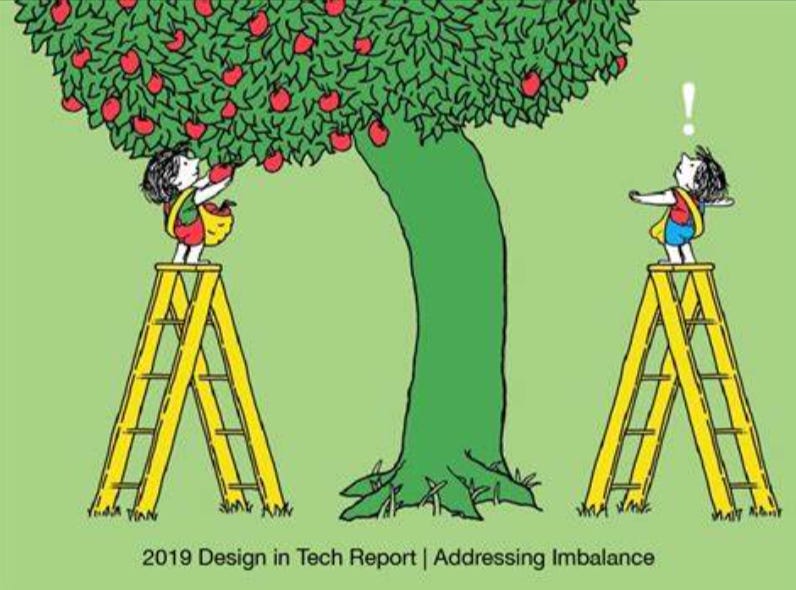
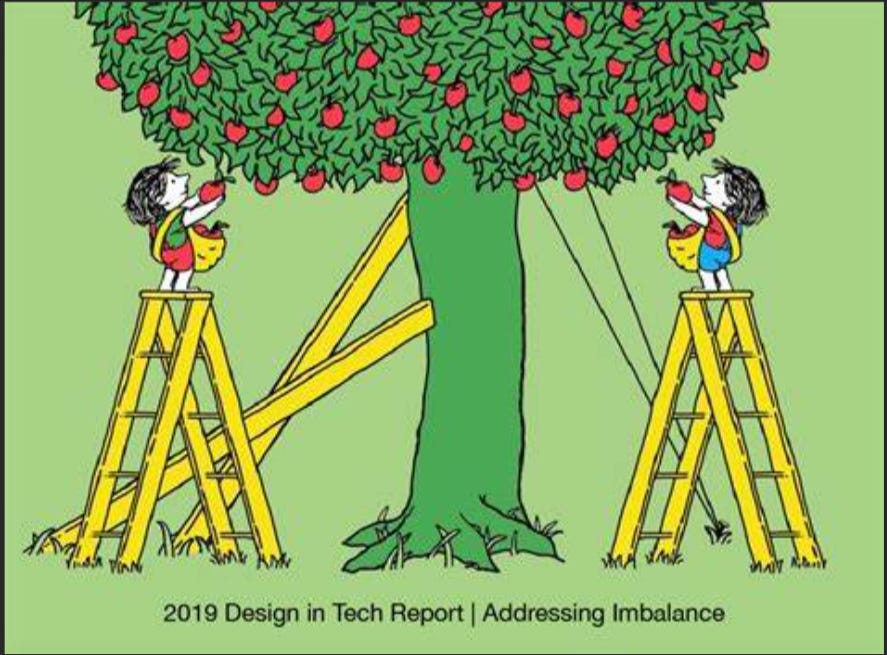
The “people-on-boxes” illustration is often used to explain equity, but it doesn’t fully capture how equity initiatives work in organisations today. Let’s unpack what this means and compare it to a more effective metaphor involving structural changes to a tree.
Common Illustration: People on Boxes
The illustration typically shows three people of different heights trying to watch a game over a fence. Equality gives them each one box to stand on, but only the tallest can see over the fence. Equity gives each person the number of boxes they need to see over the fence, which can imply a zero-sum game—taking resources from one person to give to another based on need.
Why This Falls Short
The “people-on-boxes” image highlights two key aspects of equity:
Outcome-focused thinking: Everyone should be able to watch the game.
Acknowledging individual differences: People have varying heights.
However, it oversimplifies the complexity of equity work. It suggests that equity is about redistributing limited resources, which can lead to misunderstandings and defensiveness among those who feel they are being asked to give something up. Now of course in an ideal world defensiveness would not exist, but in DEI work we know we have to meet people where they are at and also think about the root causes of inequality. Such as the fence or the fact that they are not inside the football ground to watch the game.
A More Effective Metaphor: Structural Changes to a Tree
The Tree Metaphor
Consider a metaphor involving a tree that bears fruit. In this scenario, the tree represents opportunities and resources, and the fruit symbolises the benefits and outcomes of these resources.
Equality: Everyone has equal access to the tree, but the branches are too high for some people to reach the fruit.
Equity: Instead of just giving some people the same height ladders (akin to giving boxes in the previous metaphor), the tree itself is restructured so that the branches hang lower, making the fruit accessible to everyone by changing the system.
Why This Works Better
Systemic Change: The tree metaphor emphasises altering the system (the tree) rather than just redistributing resources (boxes). This approach focuses on creating lasting changes that benefit everyone.
Sustainable Solutions: By changing the structure of the tree, everyone, regardless of their height (needs), can access the fruit. This is more inclusive and sustainable than a zero-sum redistribution of resources.
Applying equity in the Workplace
Misleading Zero-Sum Approach
Imagine a workplace scenario: there is inequality in professional development opportunities. The “boxes” might represent slots in high-quality workshops. Applying the “people-on-boxes” logic, we might think achieving equity means taking workshop slots from a group members and giving them to another group. This zero-sum approach can be harmful and misleading, potentially triggering defensiveness among privileged groups.
The True Nature of Equity Work
Effective equity work isn’t about redistributing finite resources. Instead, it focuses on transforming systems to meet everyone’s needs and improve outcomes for all. This involves:
Investing in Systemic Changes: Addressing root causes of inequity rather than compensating for them.
Creating Sustainable Solutions: Ensuring that changes benefit everyone, not just marginalised groups.
Images are a starting point
Images can serve as powerful tools for discussion and critique. The apple image can lead to a deep conversation about access and generational wealth. Some people have had access to apple seeds for generations, allowing them to cultivate and pass on wealth. This kind of access can represent broader issues of privilege and opportunity.
These images are useful for learning because they can spark discussions in many different directions. The goal isn’t to tell people what to think but to provide them with resources to engage in critical thinking.
Indeed, while some have had the privilege of planting and benefiting from these trees, others were the ones planting the seeds and caring for the trees but were prohibited from enjoying the fruits of their labour or even having seeds of their own to plant for their families. This highlights inequities and prompts a discussion about who has access to resources and opportunities.
The Kerb Cut Metaphor
A complementary metaphor is the “kerb cut” in universal design. A kerb cut is a small ramp that allows wheelchair users to move between the street and sidewalk. Though designed for people with disabilities, it also benefits parents with buggies and people pushing shopping carts.
Key Idea
Solutions designed for specific groups often benefit a wider population. This is crucial in DEI work, it helps everyone: when you uplift the most marginalised, by default everyone benefits.
Conclusion
No single graphic can capture the complexities of DEI work. DEI requires multi-faceted, layered solutions and an understanding that we are all on a learning journey. Achieving equality within organisations involves fostering critical hope, addressing unjust systems through meaningful dialogue, and empathic responses. Of course DEI work needs a mix of systematic and individual changes, maybe sometimes people do need to give up their seat at the table, and sometimes we need to create more seats.
If you enjoyed this post, please let me know! You can also buy me a coffee on my Kofi to show your support.